Installing a weed barrier can be a game changer for your garden, offering a significant reduction in weed growth while allowing your plants to thrive. However, many gardeners make common mistakes during installation that can sabotage their efforts. Understanding these pitfalls can help you achieve effective weed control and promote healthy plant growth.
Neglecting Soil Preparation
One of the most frequent mistakes when installing a weed barrier is failing to prepare the soil properly beforehand. A well-prepared surface is essential for the barrier to function effectively. Clear the area of weeds, rocks, and debris to create a smooth, even surface. This process not only helps eliminate existing weeds but also prevents any potential punctures in the weed barrier from sharp objects beneath.
Additionally, consider enriching the soil before laying down the barrier. Adding organic matter, like compost, can enhance soil health and provide nutrients for your plants. This preparation phase is crucial, as it sets the stage for successful weed control and ensures that your plants have the best possible environment to flourish.
Improper Sizing of the Barrier
Another common error is not measuring the area accurately before cutting the weed barrier. It’s important to ensure that the fabric is large enough to cover the entire intended area. If the barrier is too small, weeds will still find their way through the uncovered spots, defeating the purpose of using it in the first place.
Always err on the side of caution by cutting the fabric a bit larger than the designated area. This way, you can overlap the edges and secure the barrier effectively. You’ll appreciate the extra coverage when it comes time to maintain your garden, as it will significantly minimize weed encroachment.
Overlapping the Edges Incorrectly
When laying down your weed barrier, it’s crucial to overlap the edges correctly to prevent weeds from sneaking through. A common mistake is to overlap the fabric too little, leaving gaps that can allow weeds to grow. Make sure to overlap the edges by at least six inches for the best results.
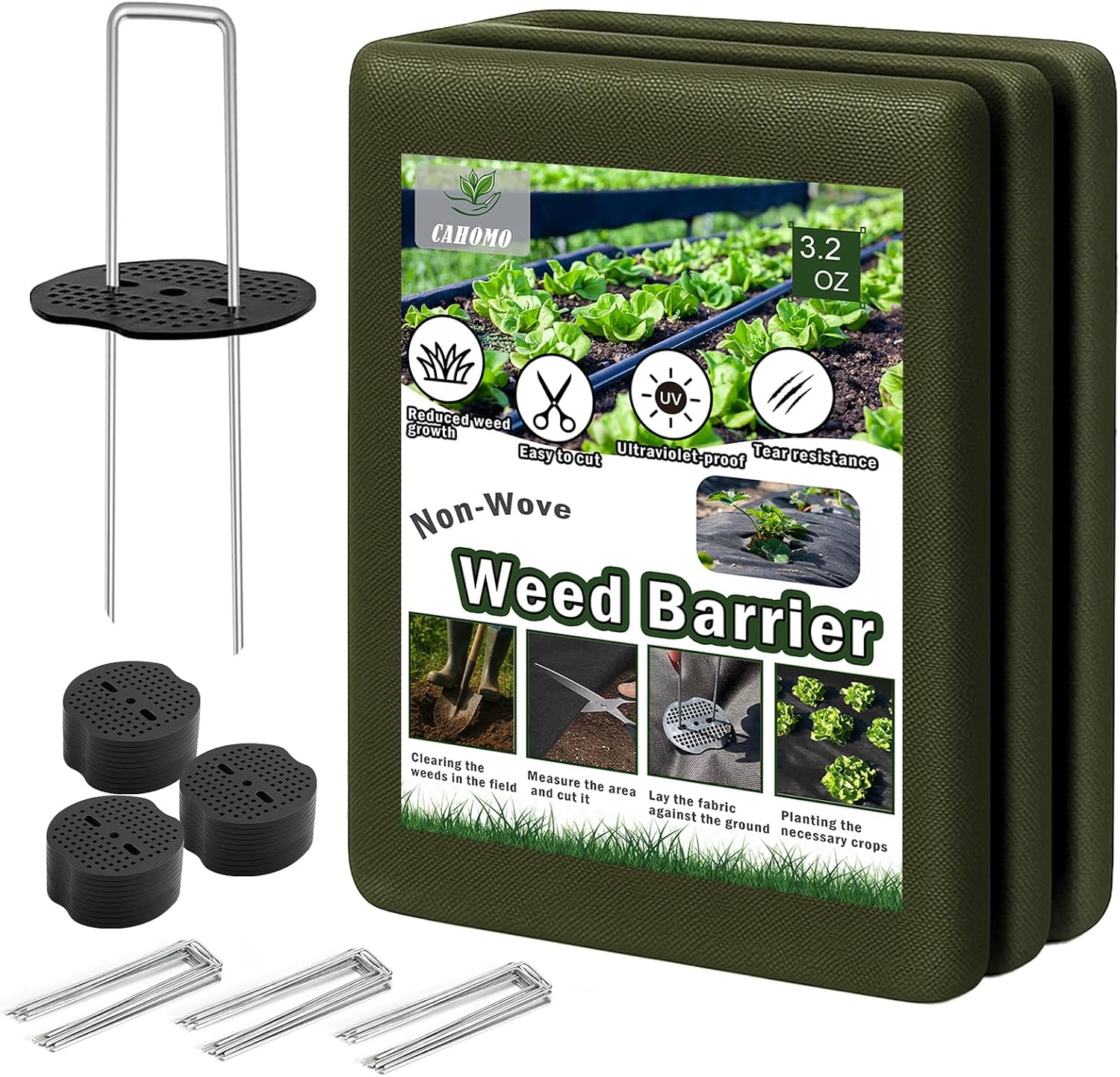
To secure the edges, you can use landscape pins or staples. This will not only hold the fabric in place but also reinforce the overlapping sections, maximizing your weed prevention efforts. Proper edge overlap is a simple but vital step that can save you a lot of hassle down the road.
Failing to Secure the Barrier
Another frequent error is neglecting to secure the weed barrier adequately. Without proper anchoring, the fabric can shift, exposing areas to weeds. It’s essential to use sufficient landscape fabric stakes or pins to hold the barrier in place securely. This is especially important in windy areas, where loose fabric can easily blow away.
Be sure to place the stakes or pins every few feet, particularly around the edges and at overlap points. This extra precaution will help your weed barrier stay put, ensuring long-lasting effectiveness as you work to control weeds in your garden.
Ignoring Drainage Needs
While weed barriers are great for controlling unwanted plants, they can also create drainage issues if not installed correctly. If you lay a weed barrier without considering drainage, you may end up with water pooling in unwanted areas, which can lead to root rot and other issues for your plants.
Before installing the barrier, assess the drainage needs of your garden area. If necessary, consider incorporating gravel or other materials to ensure that water can drain properly. By addressing drainage during the installation of your weed barrier, you can create a thriving environment for your plants.
Using the Wrong Type of Barrier
Not all weed barriers are created equal, and using the wrong type can lead to poor results. Many gardeners overlook the importance of selecting the right fabric for their specific needs. Some barriers are designed for heavy-duty use, while others are more suited for ornamental gardens.
When choosing a weed barrier, consider factors like thickness and material. For example, a thicker, heavy-duty fabric will offer better weed control and durability, especially in high-traffic areas. Be sure to consult with knowledgeable staff at your local garden center to find the best option for your gardening goals.
Skipping Maintenance After Installation
Many gardeners believe that once the weed barrier is installed, their work is done. However, this is a misconception. Regular maintenance is essential to ensure the effectiveness of the weed barrier over time. This can include checking for any rips or tears and ensuring that the fabric remains anchored properly.
Additionally, monitor your garden for any signs of weed growth. If you spot any weeds breaking through the barrier, address them immediately. By staying vigilant, you can maintain the integrity of your weed control efforts and ensure a flourishing garden.
Not Allowing for Plant Growth
When installing a weed barrier, it’s crucial to consider the growth of your plants. A common mistake is laying down the barrier too close to the plants, limiting their growth potential. Ensure that you leave enough space for your plants to thrive by cutting holes in the fabric for them to grow through.
Be mindful of the size and spread of your plants when planning the layout. Adequate spacing will not only allow for healthy growth but will also make maintenance easier. By taking plant growth into account, you can create a garden that flourishes without the struggle of unwanted weeds.
Where to start
To successfully install a weed barrier, start by gathering all necessary supplies, including your chosen weed barrier fabric, stakes, and any additional materials needed for drainage and soil preparation. It’s a good idea to consult with experts or read product guidelines to better understand the specific needs of your garden.
Once you have everything in place, follow each of the steps outlined above carefully to avoid common installation mistakes. With a little preparation and attention to detail, you can create an effective barrier that will keep weeds at bay and allow your plants to thrive.
From our shelves
- Non-Woven Thick Weed Barrier Fabric 3 FTx32 FT, 3.2oz Heavy Duty Weed Barrier Landscape Fabric
Browse the Weed Barrier and Ground Cover range, or see everything in stock. Questions about what suits your setup? Talk to us or read the FAQ.